Tobruk
A historic harbour on Libya's eastern frontier
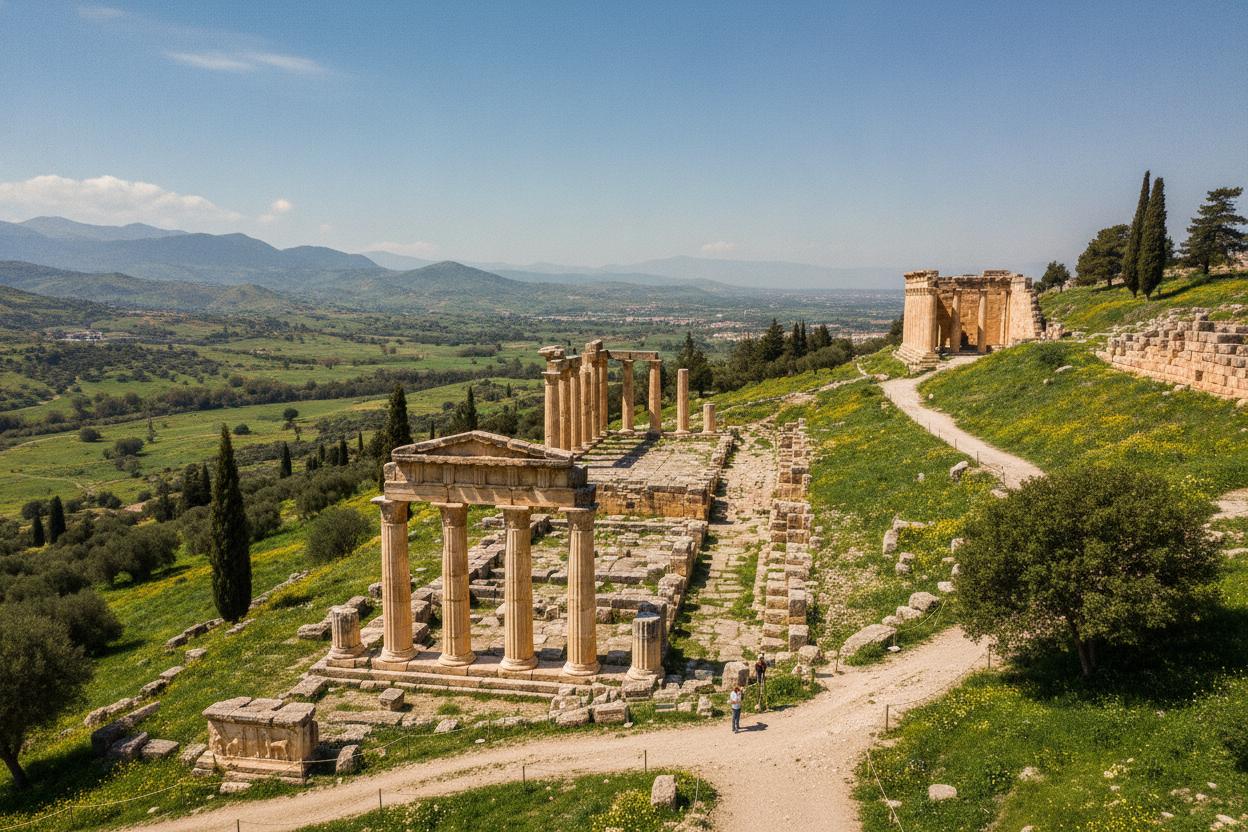
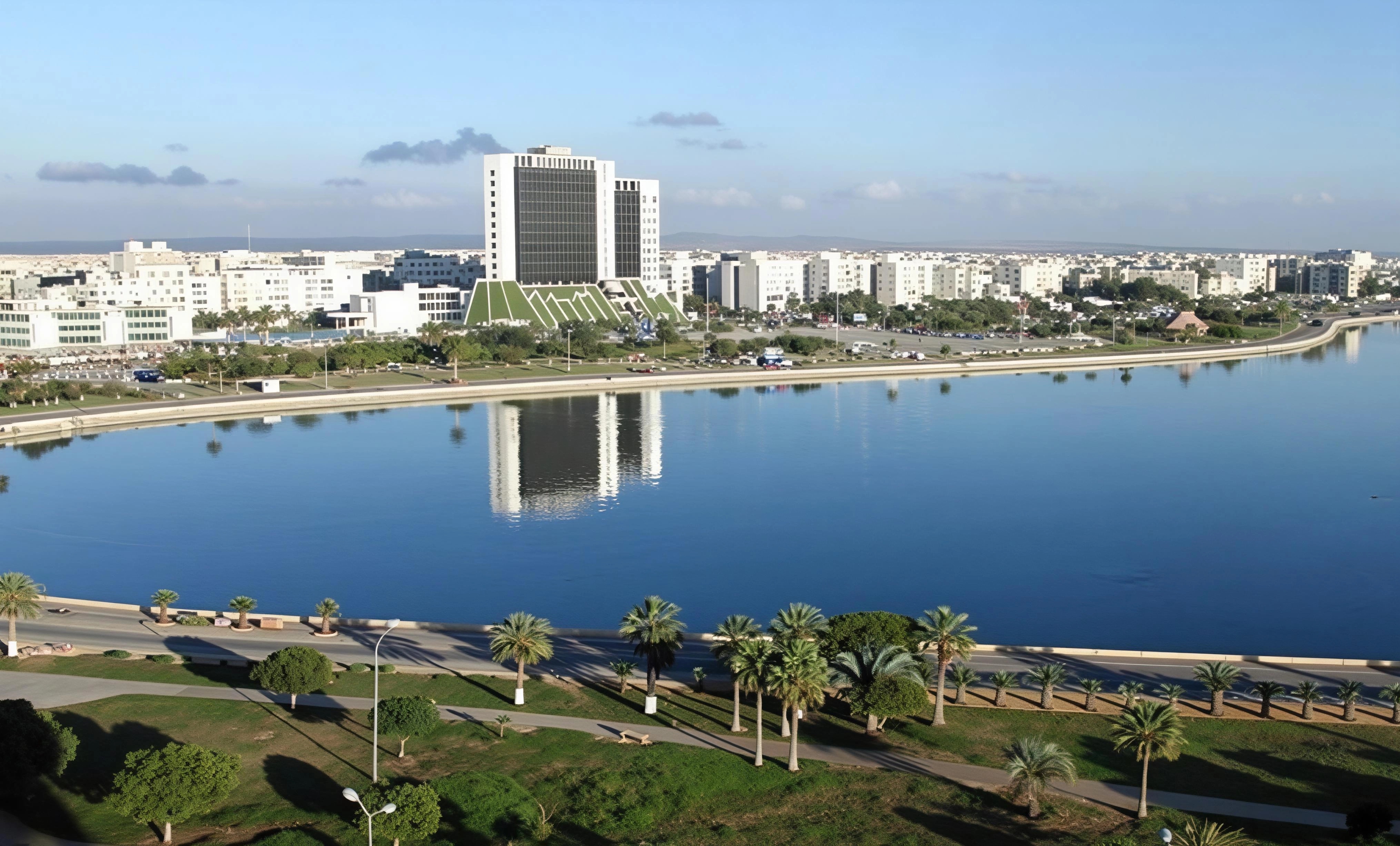
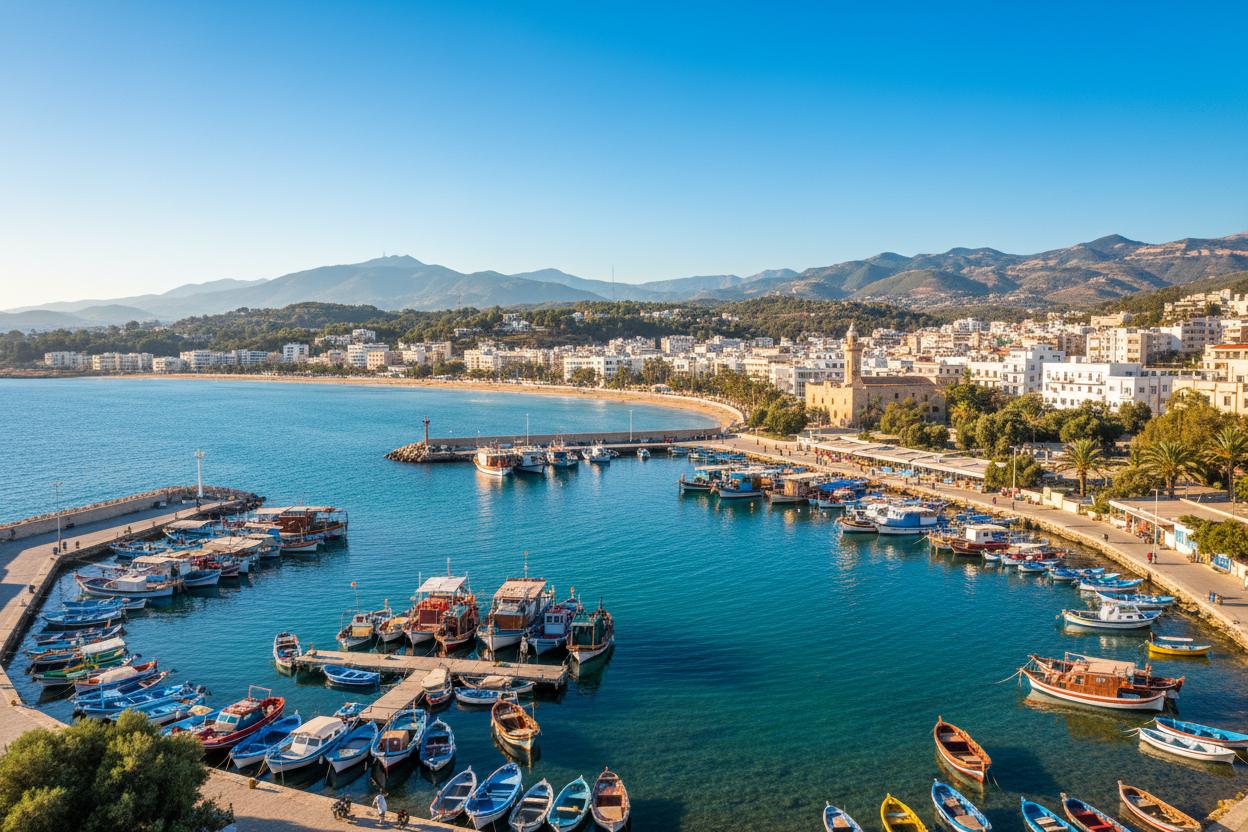
Tobruk is a port city on Libya's eastern Mediterranean coast, close to the border with Egypt, and it holds one of the finest natural deep-water harbours in North Africa. Originally the site of an ancient Greek colony and later a Roman frontier fortress guarding Cyrenaica, Tobruk is best known internationally for the pivotal and fiercely contested battles fought here during the Second World War, which left the city with a rich and sobering collection of wartime history.
Region
Cyrenaica
Distance from Tripoli
~1,400 km east
Known for
WWII history, natural harbour
Best for
War history, coastal views
History of Tobruk
Tobruk's excellent natural harbour made it strategically valuable long before the modern era, serving first as an ancient Greek colony and then as a Roman fortress protecting the eastern frontier of Cyrenaica, before functioning for centuries as a waystation along the coastal caravan route. Italy established a military post here by 1911, and Tobruk became a household name during the Second World War, when it changed hands repeatedly between Allied and Axis forces. British and Commonwealth troops, including the famous Australian 9th Division known as the "Rats of Tobruk," withstood a prolonged siege by German and Italian forces in 1941 before the siege was lifted; the city later fell to Rommel's Afrika Korps in 1942 before being recaptured by the Allies later that same year. After the war, Tobruk was rebuilt and expanded in the 1960s with a new port terminal linked by pipeline to nearby oil fields, and it later became a traditional stronghold of Libya's Senussi royal dynasty and one of the first cities to rise up against Gaddafi's rule in 2011.
Top Things to Do in Tobruk
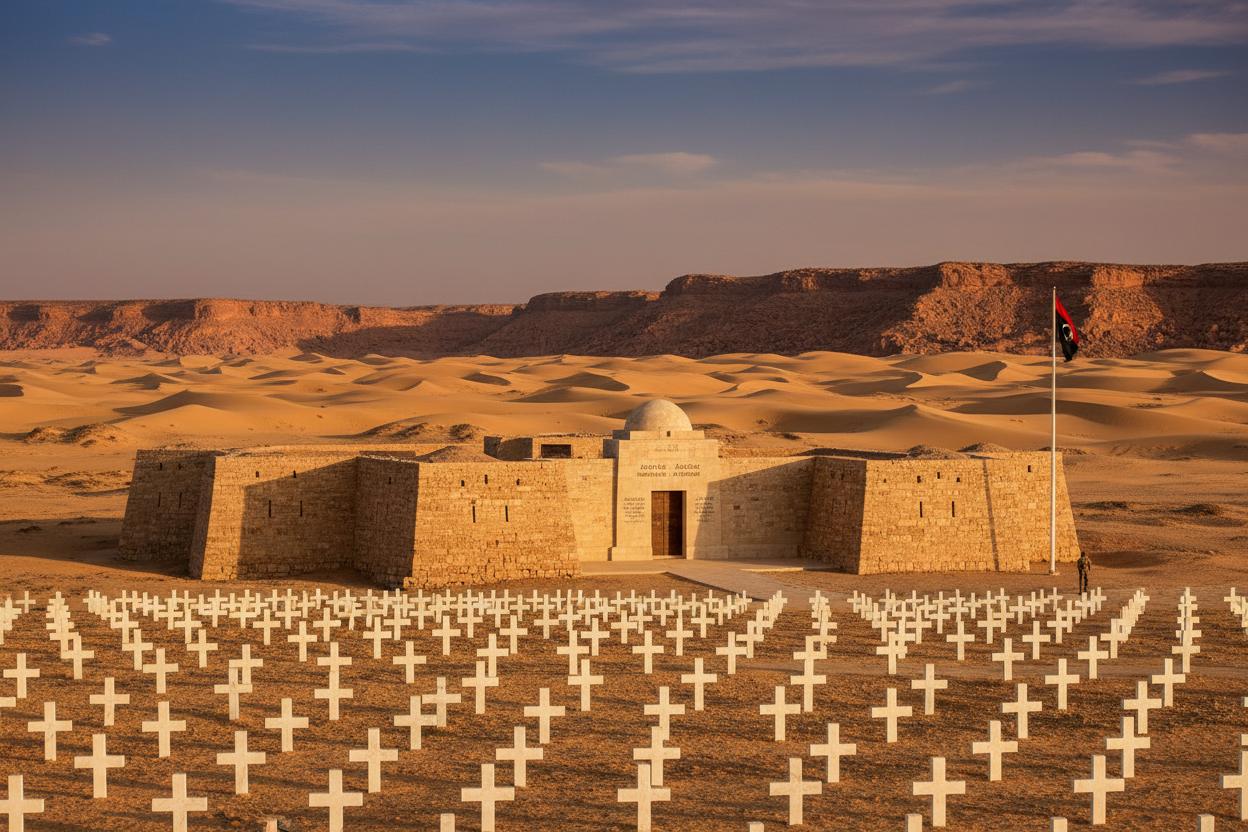
Tobruk War Cemeteries
Several Commonwealth and Axis war cemeteries around Tobruk honour the tens of thousands of soldiers who fought and died here during the North African campaign, making the city an important site of remembrance.
WWII Museum and battlefield relics
Wartime sites around Tobruk include former operations rooms, tunnels, and equipment from the 1941–42 battles, offering a vivid record of the siege.
The Natural Harbour
Tobruk's deep, well-protected harbour, considered one of the best in North Africa, remains the heart of the city's identity and economy.
Bab Zaytun
The former palace grounds of King Idris of Libya, tied to Tobruk's role as a stronghold of the Senussi royal dynasty.
Best Time to Visit & Getting There
Tobruk's Mediterranean climate is most pleasant from autumn through spring, with hot, dry summers typical of the region. The city is served by its own airport and lies along the coastal highway connecting eastern Libya to the Egyptian border, making it a natural stop for travellers exploring Cyrenaica's history.
Tobruk's natural beauty is inseparable from its history, and visitors come away with a rare, ground-level understanding of one of the Second World War's most consequential campaigns.