Top Landmarks
Discover Libya's most important archaeological and natural sites.
Discover Libya's most important archaeological and natural sites.
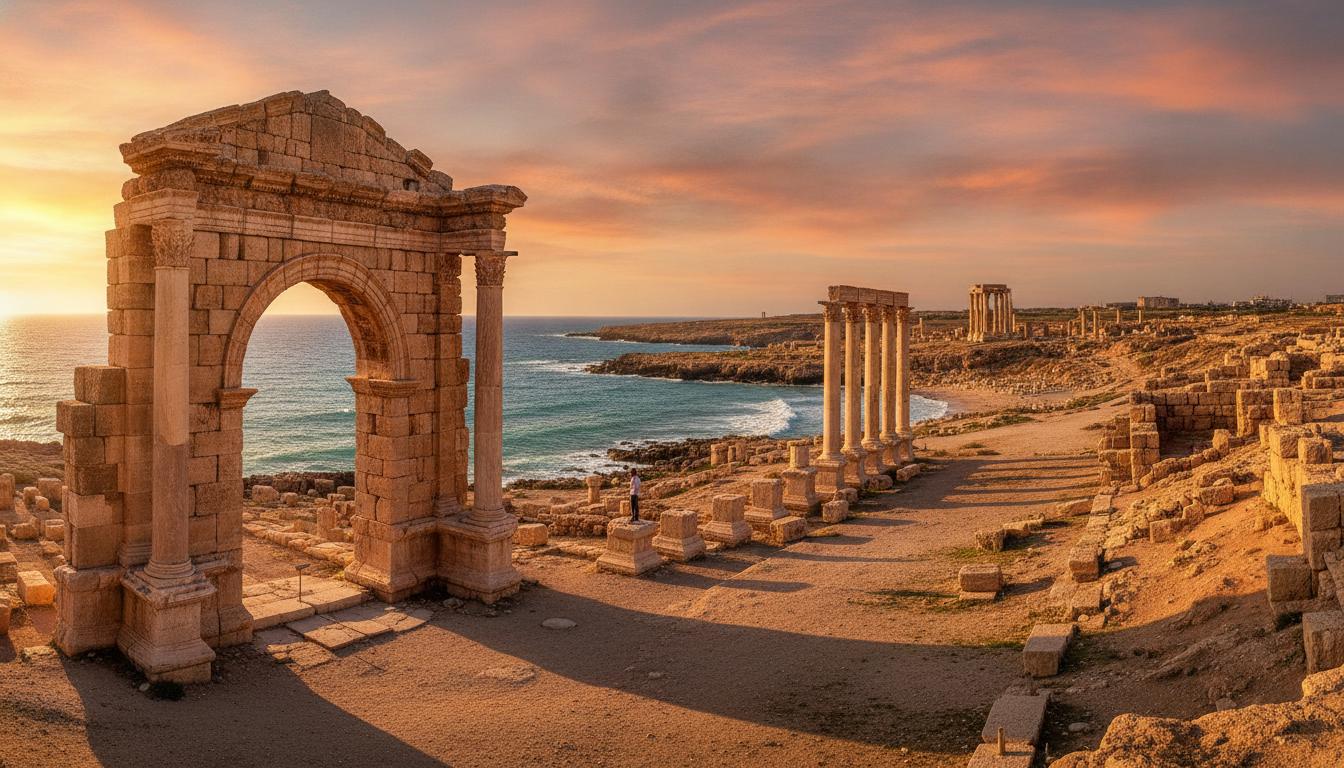
UNESCOOne of the most important Roman cities in Africa, located near Al-Khums. It features the Arch of Septimius Severus, the forum, the theatre and Roman baths. A UNESCO World Heritage Site.
 UNESCO
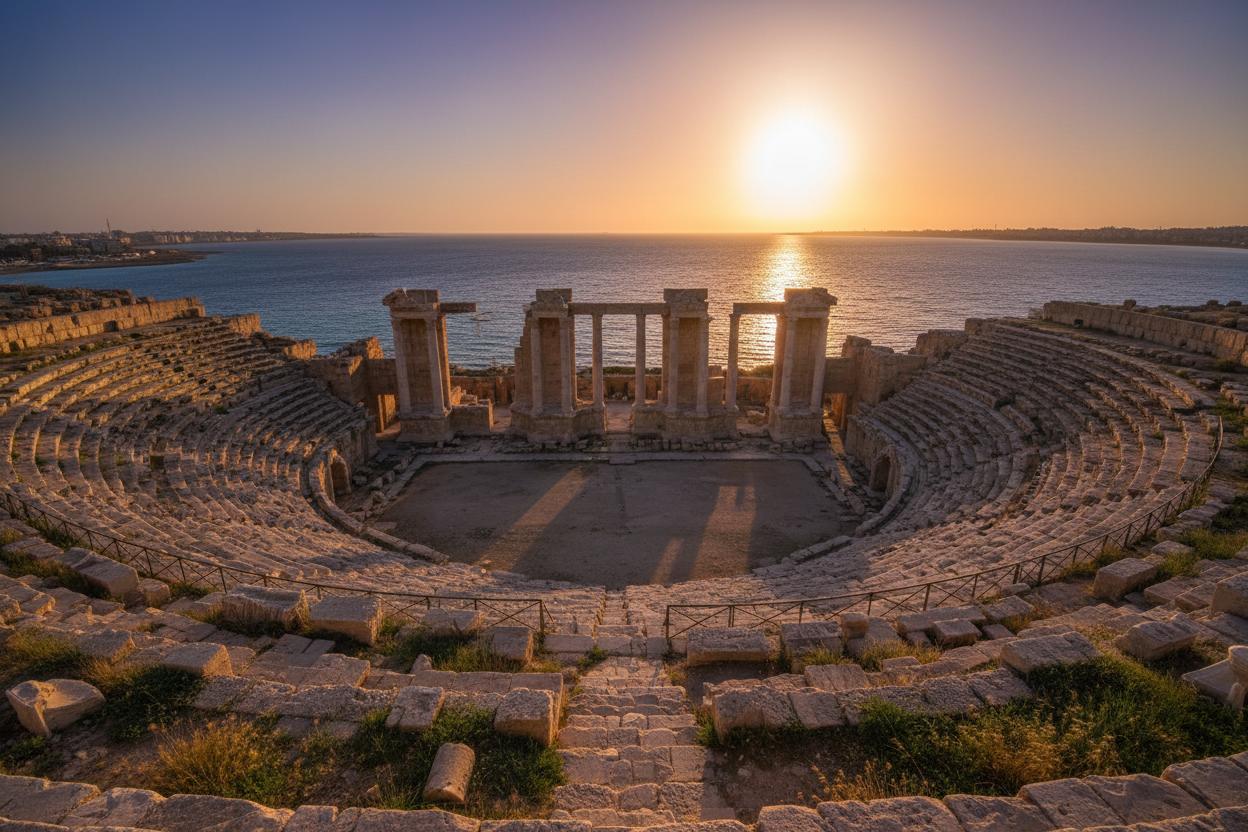
An ancient Phoenician-Roman city on the Mediterranean coast. Its Roman theatre is among the best preserved in the world. A UNESCO World Heritage Site.
 UNESCO
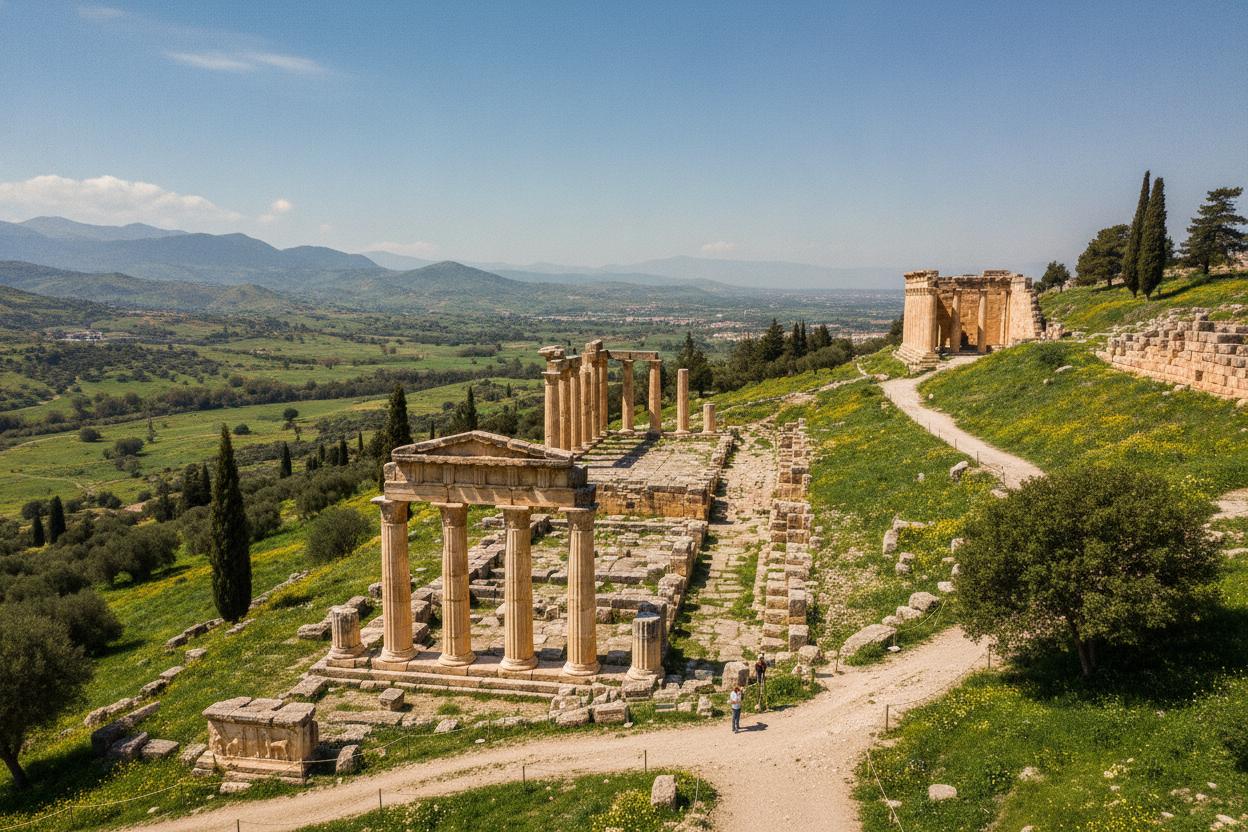
An ancient Greek city in the Green Mountain, with a temple of Apollo, a theatre, and rock-cut tombs. One of the most important archaeological sites on the Mediterranean.
 UNESCO
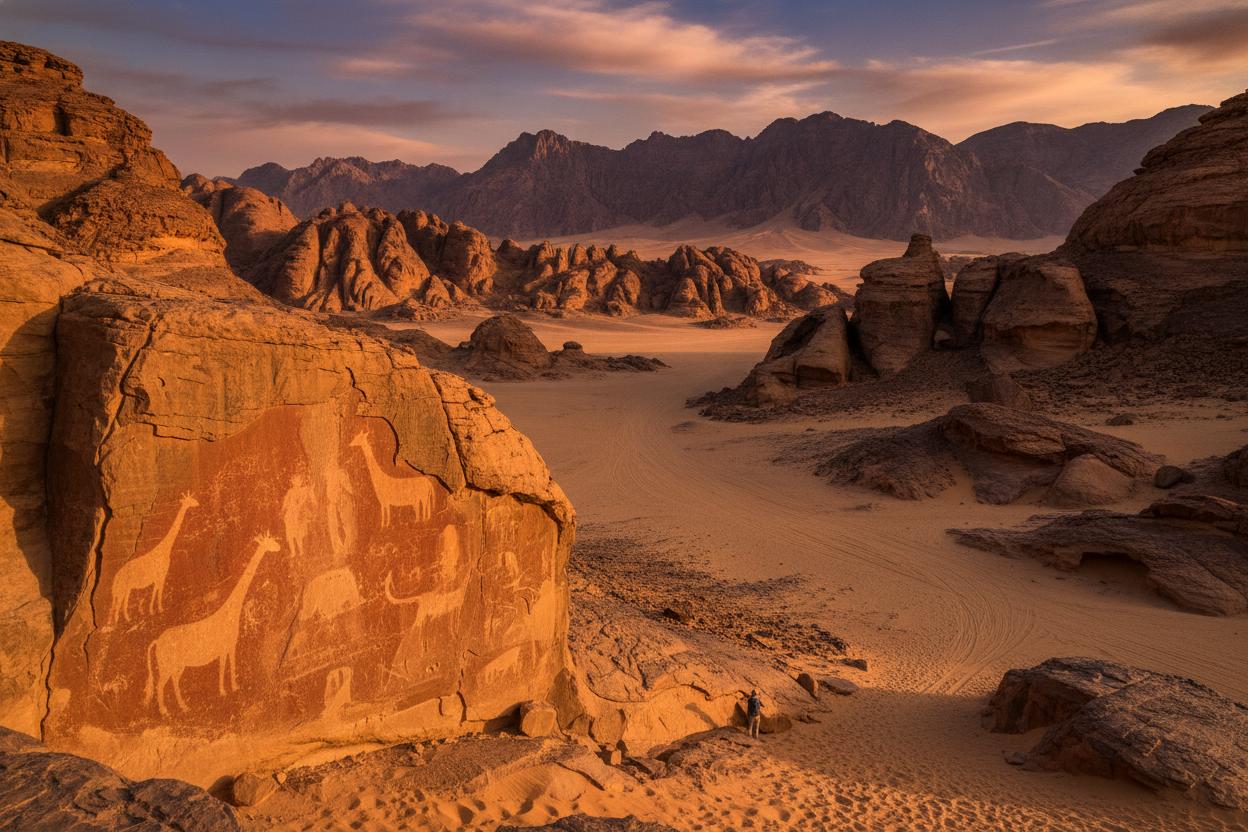
A desert region in southwest Libya with thousands of ancient rock paintings dating back 12,000 years. Striking scenery and sand dunes.
 UNESCO
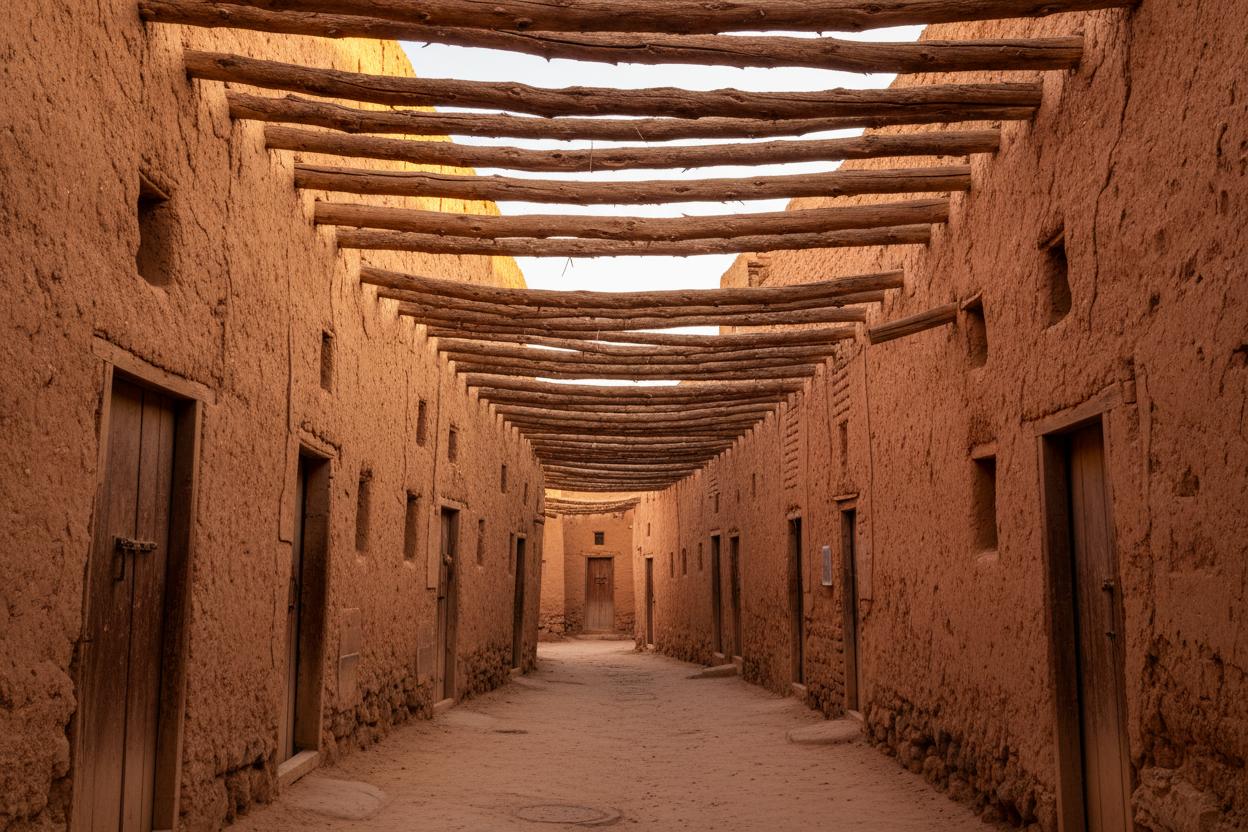
A historic Saharan oasis with an ancient mud-brick town of covered streets and interlocking houses. Inscribed by UNESCO as a World Heritage Site.
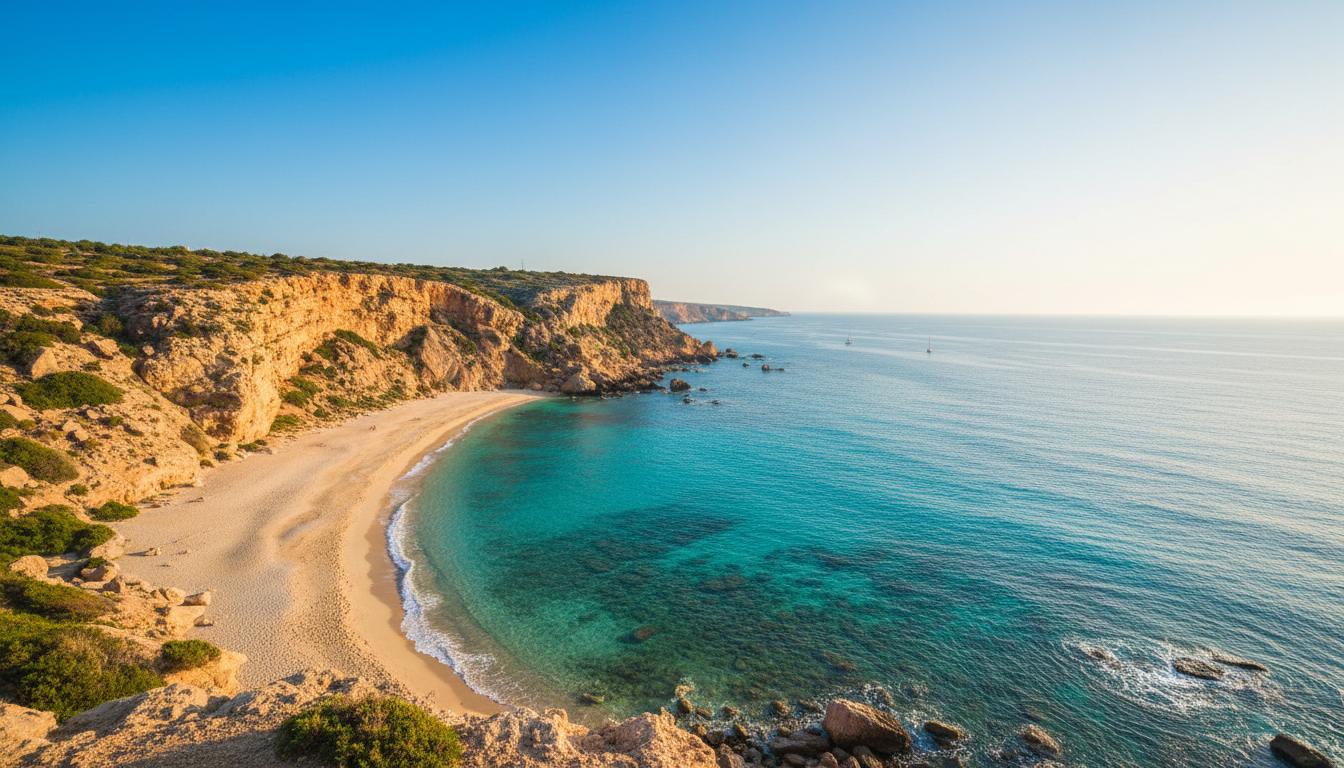
Libya's coastline stretches 1,770 km, among the most beautiful in the Mediterranean, with crystal-clear waters, golden sand, and untouched beaches.
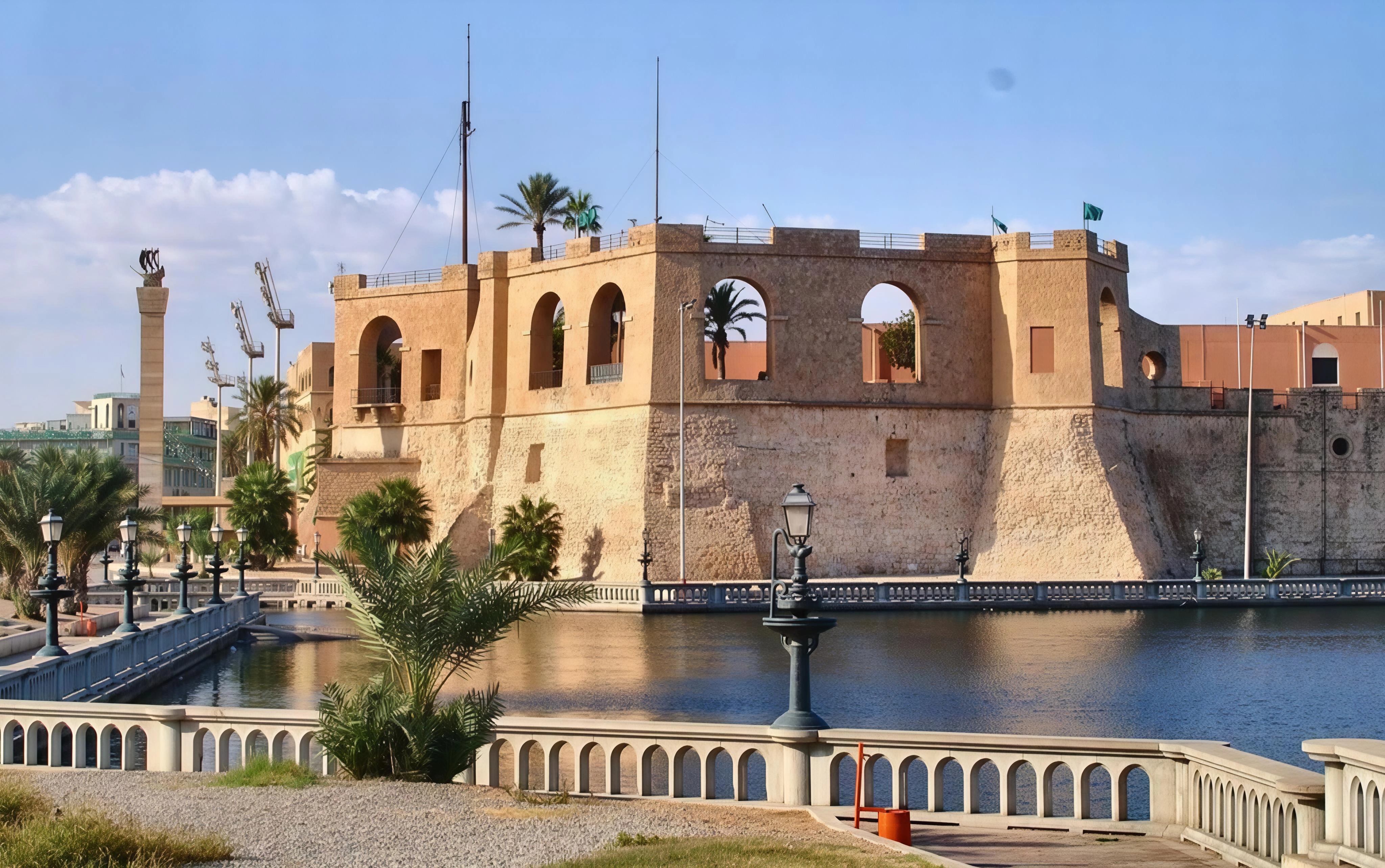
A massive historic fortress in Tripoli built in the 17th century. It overlooks the harbour and houses an important archaeological museum.
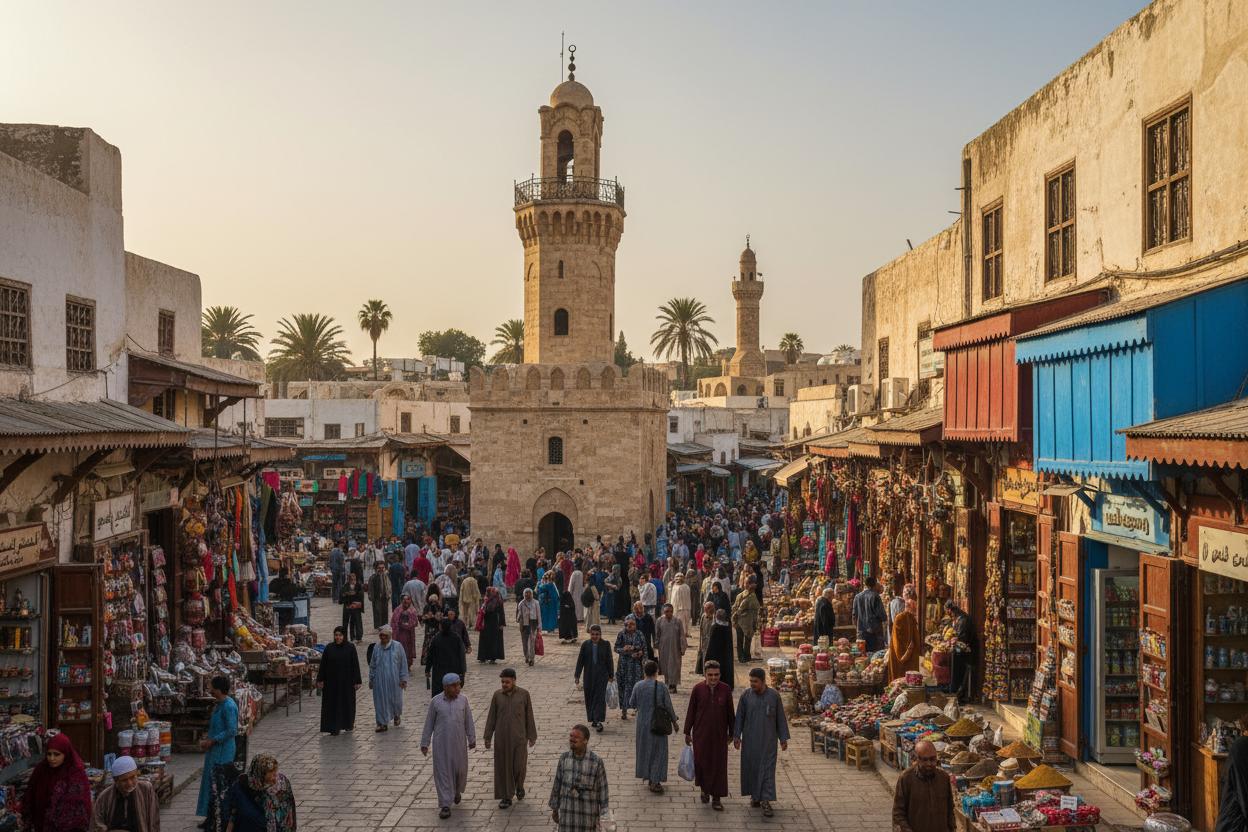
Tripoli's historic heart, with narrow souqs, old mosques, and Ottoman-era houses. Home to the Zawiyat Sidi Abdel Wahab and Ahmed Pasha Mosque.
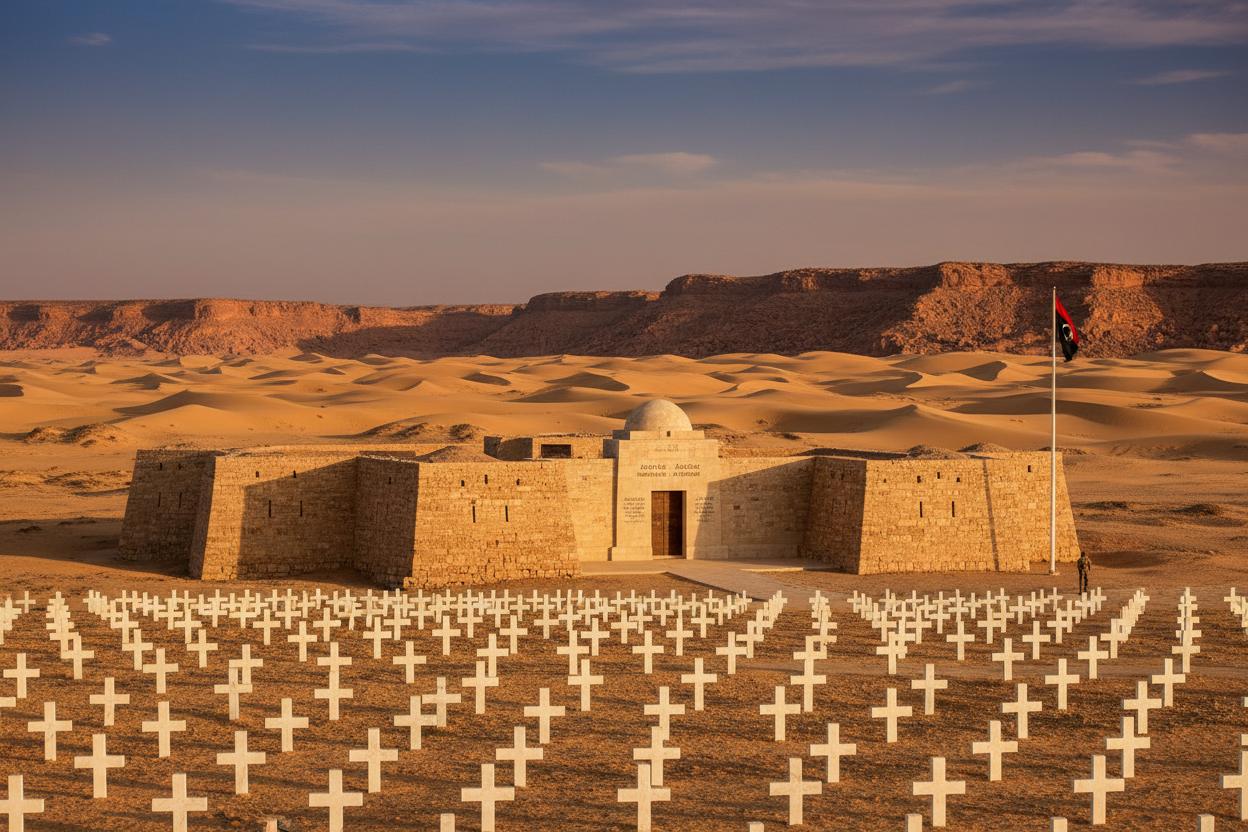
An international military cemetery containing the graves of soldiers from the Second World War. An important historic site that draws history-focused visitors.