Tripoli
Where the Sahara meets the Mediterranean
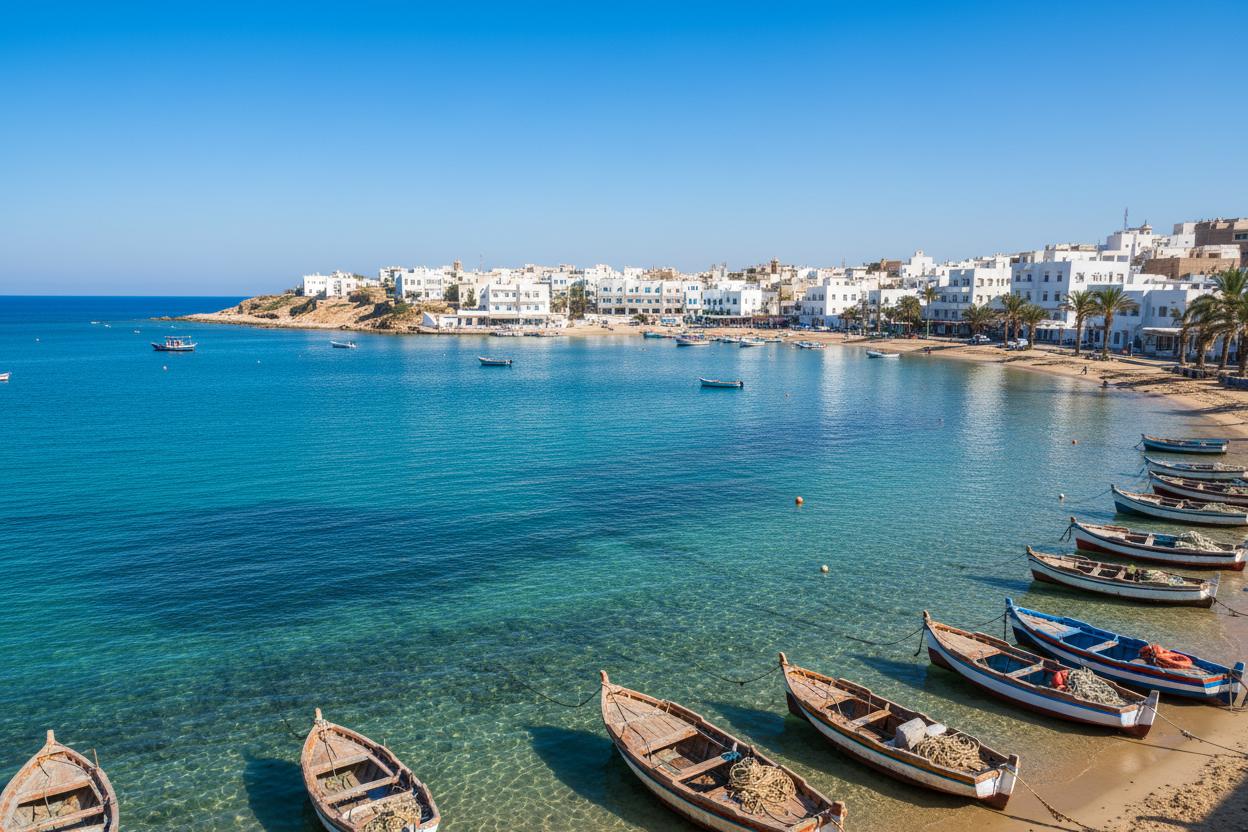
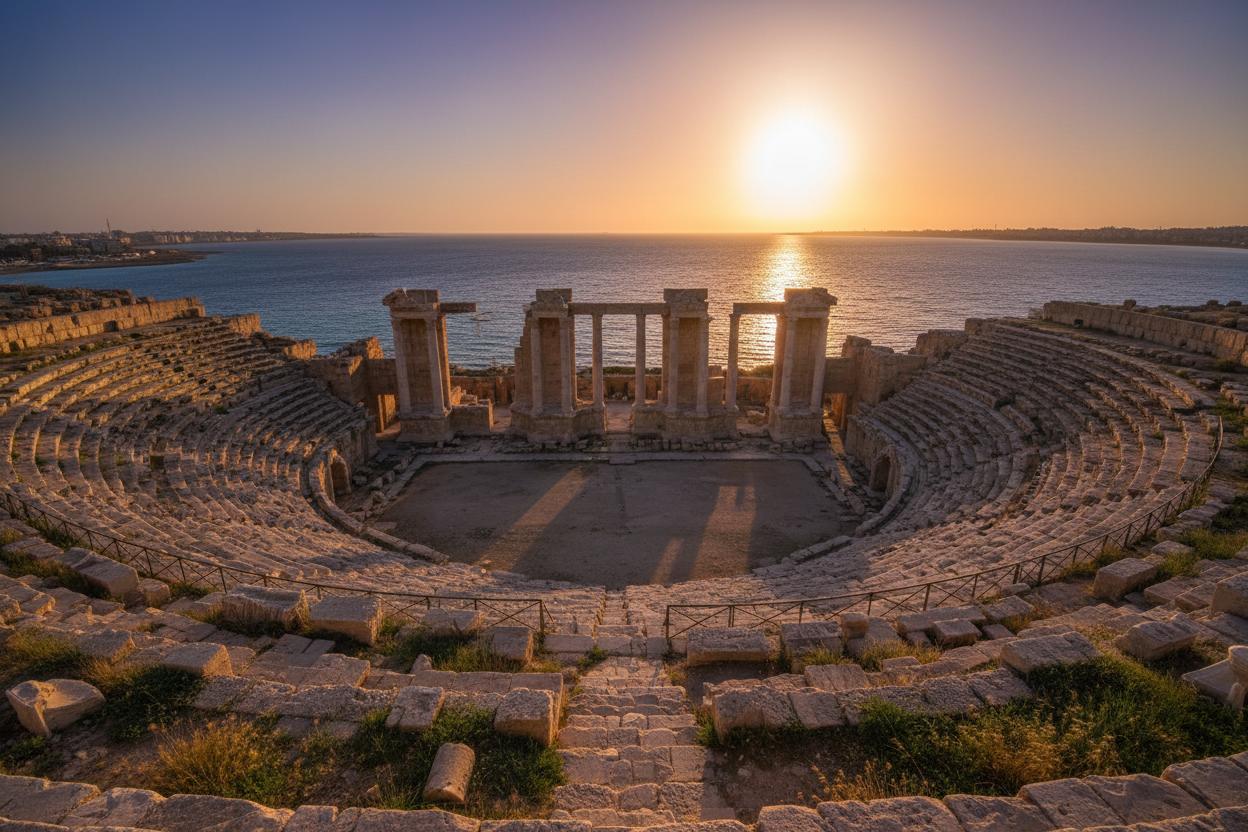
Tripoli is Libya's capital and largest city, home to more than a million people at the point where the Sahara Desert meets the Mediterranean Sea. Founded by Phoenician traders roughly 2,700 years ago as the port of Oea, it grew into one of the three great cities of Roman Tripolitania, alongside Sabratha and Leptis Magna, and its name today still carries that legacy. Modern Tripoli layers an Ottoman-era medina, Italian colonial boulevards, and a lively Mediterranean waterfront on top of one another, making it the natural starting point for almost any journey through the country.
Region
Tripolitania
Distance from Tripoli
—
Known for
The medina, Roman arch, Mediterranean waterfront
Best for
History, culture, first-time visitors
History of Tripoli
Tripoli's story begins in the 7th century BC, when Phoenician traders established the port of Oea on this stretch of coast. The Romans later absorbed the city into the province of Tripolitania, the "land of three cities," and Oea prospered as a Mediterranean trading port for centuries. Arab conquerors arrived in the 7th century AD and reshaped the city into the dense, covered-street medina that still forms Tripoli's historic core. Ottoman rule from the 16th century added mosques, hammams, and fortifications, while the Italian occupation that began in 1911 introduced the broad, colonnaded streets and seafront promenade that give the newer parts of Tripoli their distinctive European character. Libya gained independence in 1951, with Tripoli serving as one of the country's two capitals before becoming its sole capital in the years that followed.
Top Things to Do in Tripoli
The Red Castle (Assai al-Hamra)
A sprawling fortress complex overlooking the harbour, parts of which date back to Roman times. It now houses the Red Castle Museum, whose collections trace Libya's history from prehistoric artefacts through Phoenician, Roman, Ottoman, and modern periods.
The Old Medina
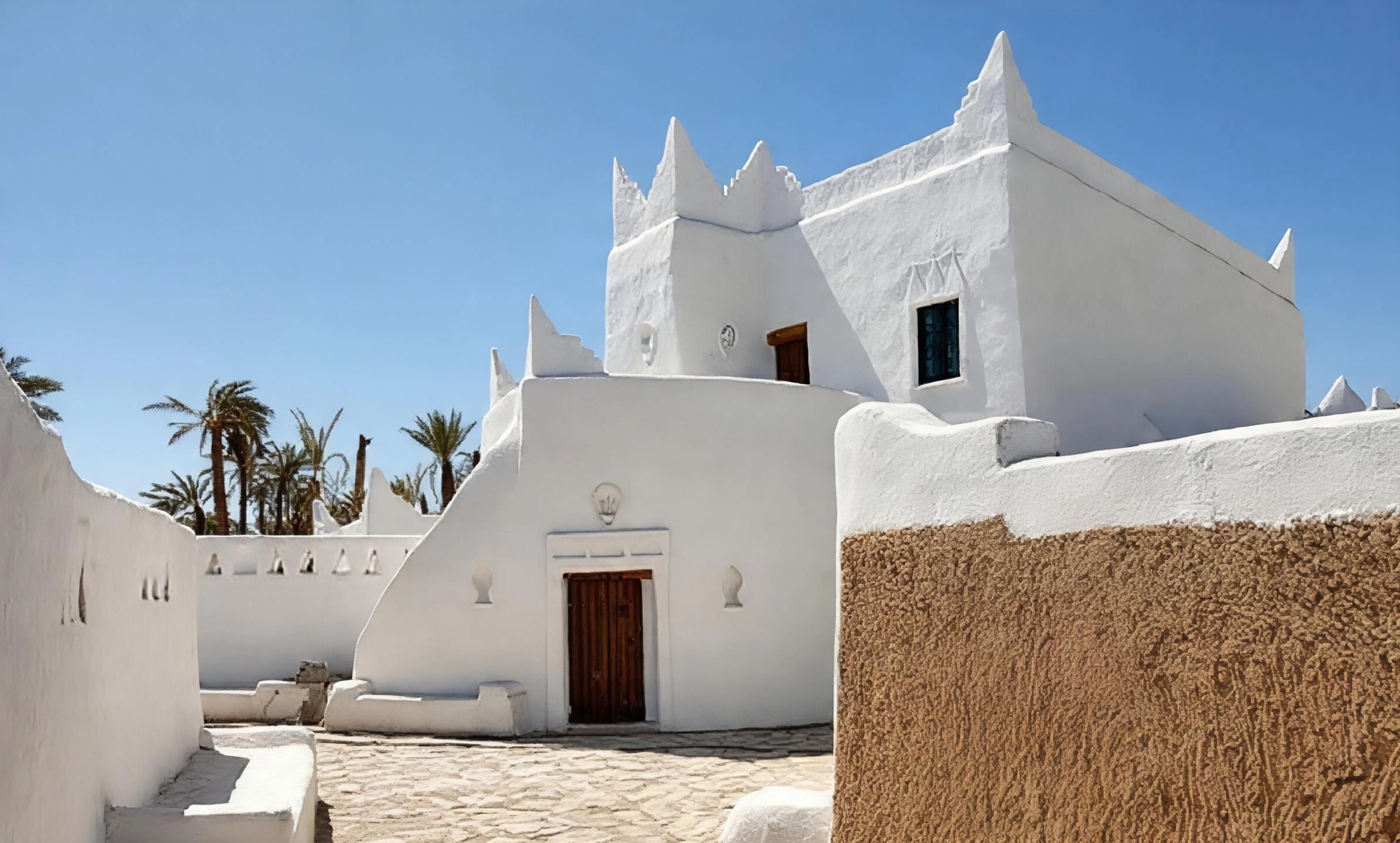
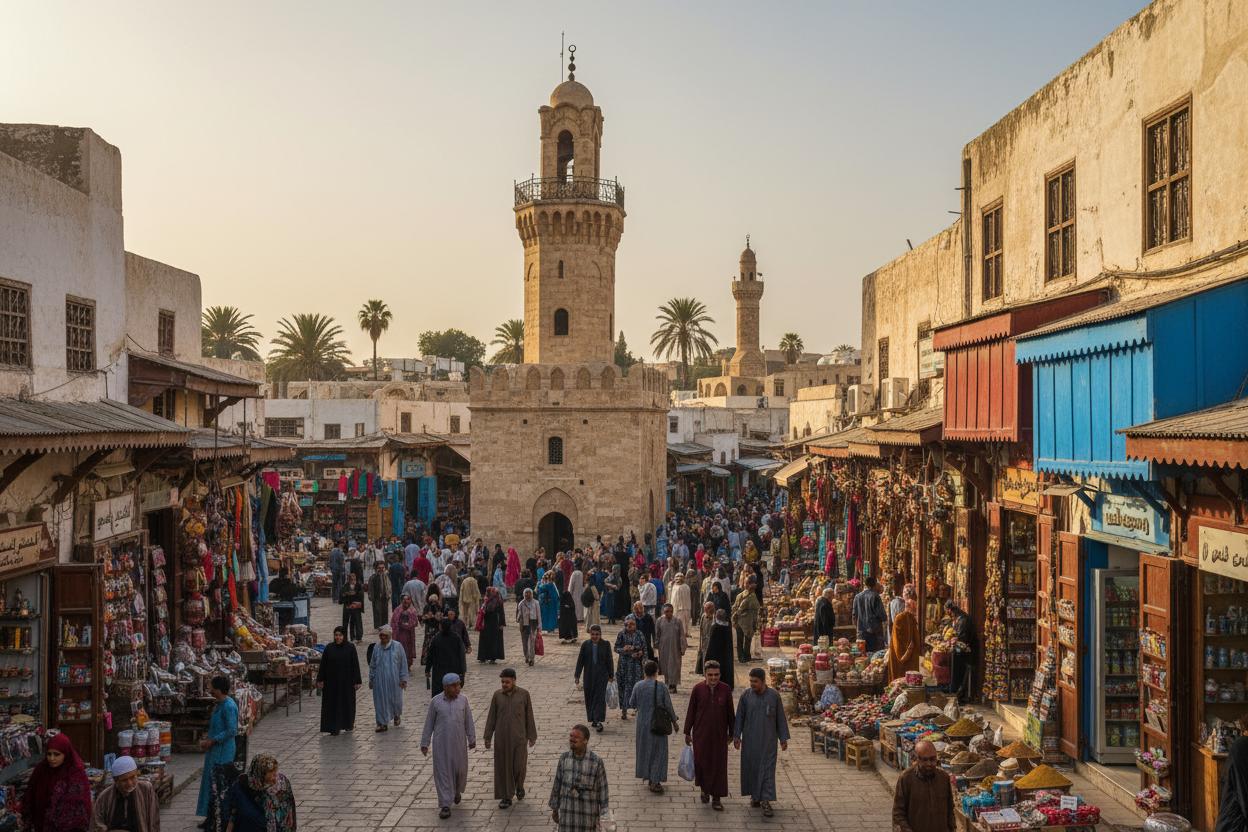
Tripoli's UNESCO-recognised walled old town is a maze of narrow, covered alleys, traditional souqs, and historic mosques. Souq al-Mushir is the best place to browse local crafts, textiles, and spices, while the surrounding lanes reveal centuries of Ottoman and Arab architecture.
The Arch of Marcus Aurelius
A beautifully preserved 2nd-century Roman triumphal arch standing at the heart of the medina, one of the few structures in Tripoli that survives largely intact from the Roman period.
Martyrs' Square
The city's historic central square, long the focal point of public life in Tripoli and a good vantage point for understanding the layout of the old and new city.
Gurgi Mosque
One of the medina's most striking Ottoman-era mosques, known for its marble detailing and tall minaret.
Best Time to Visit & Getting There
The most comfortable months to visit Tripoli are October through April, when daytime temperatures stay mild; summers from June to August are hot and can exceed 34°C. Mitiga International Airport serves as the city's main gateway. Tripoli is also the logical base for day trips west to the Roman ruins of Sabratha or further afield to the desert oasis town of Ghadames, both reachable by road.
Whether you have a single day or a full week in Libya, Tripoli is where most journeys through the country begin and end, and its blend of Roman, Ottoman, and Mediterranean influences makes it worth lingering in on its own merits.