Bayda
The heart of Libya's Green Mountain
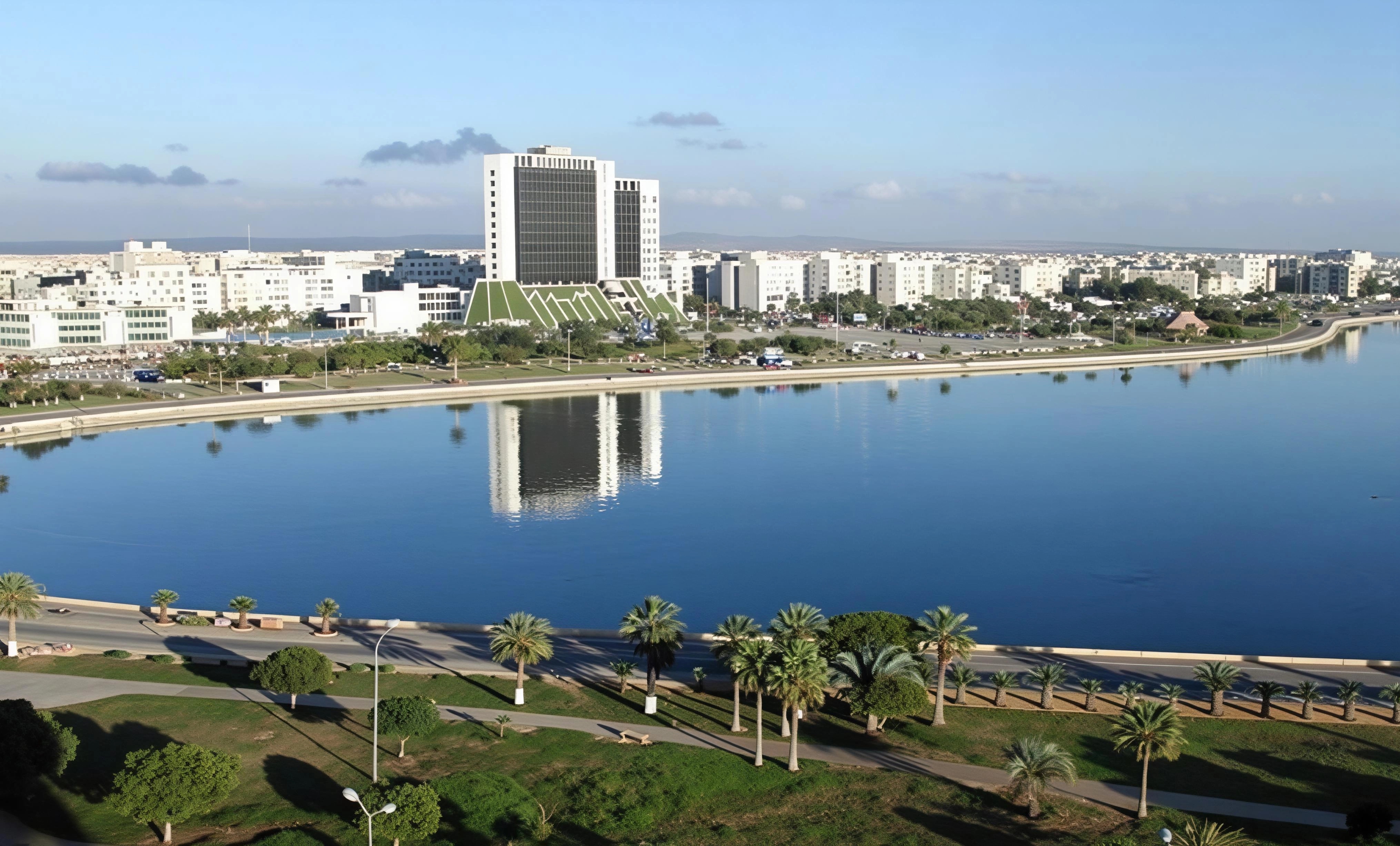
Bayda is Libya's fourth-largest city, set high on the forested plateau of Jabal al Akhdar, the "Green Mountain," in the heart of the eastern Cyrenaica region. Unlike much of Libya, Bayda enjoys a genuinely mild Mediterranean climate with cool winters that occasionally bring snow, and its elevated, wooded surroundings make it one of the country's most refreshing destinations. The city is also the closest urban base for visiting Cyrene, one of the most important ancient Greek sites in North Africa.
Region
Cyrenaica (Green Mountain)
Distance from Tripoli
~1,100 km east
Known for
Cool highland climate, Cyrene nearby
Best for
Cooler weather, ancient Greek ruins
History of Bayda
Bayda's history stretches back to classical antiquity, when the site was known as Balagrae, a settlement linked to the great Greek city of Cyrene nearby. The area later became associated with Ruwaifi bin Thabit al-Ansari, a companion of the Prophet Muhammad whose tomb here gave the city its earlier name, Sidi Rafaa. In the 19th century, the arrival of the Senussi religious movement and the construction of a zawiya led to the city being renamed az-Zawiyat al-Bayda. The modern city was built in the 1950s and was, for a time, intended to become Libya's new capital, with several government buildings constructed in anticipation of the move before the plan was abandoned. Bayda played a significant role in the 2011 revolution as the first city to fall to anti-Gaddafi forces.
Top Things to Do in Bayda
Cyrene (Shahhat)
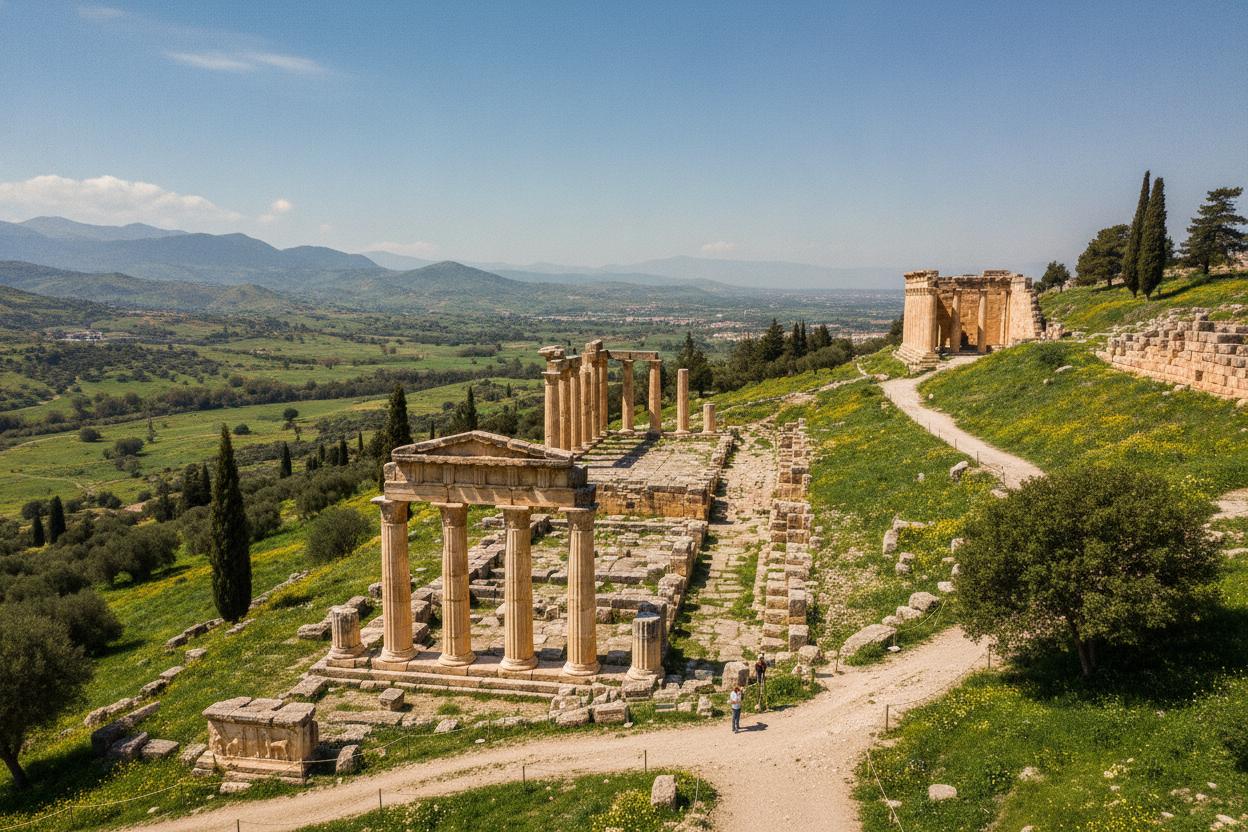
A short drive from Bayda, this UNESCO World Heritage site was the oldest and most important of the five Greek cities of the ancient Cyrenaican Pentapolis, with an extensive temple complex, a Greek theatre, and a vast necropolis carved into the hillsides.
Omar Al-Mukhtar University
A landmark of modern Bayda and one of Libya's leading universities, with a large, green campus reflecting the city's role as an educational centre for the eastern region.
The Green Mountain forests
The wooded slopes of Jabal al Akhdar surrounding Bayda are unlike anywhere else in Libya, with juniper and cypress forests, scenic mountain roads, and a noticeably cooler climate than the coast.
Susa (Apollonia)
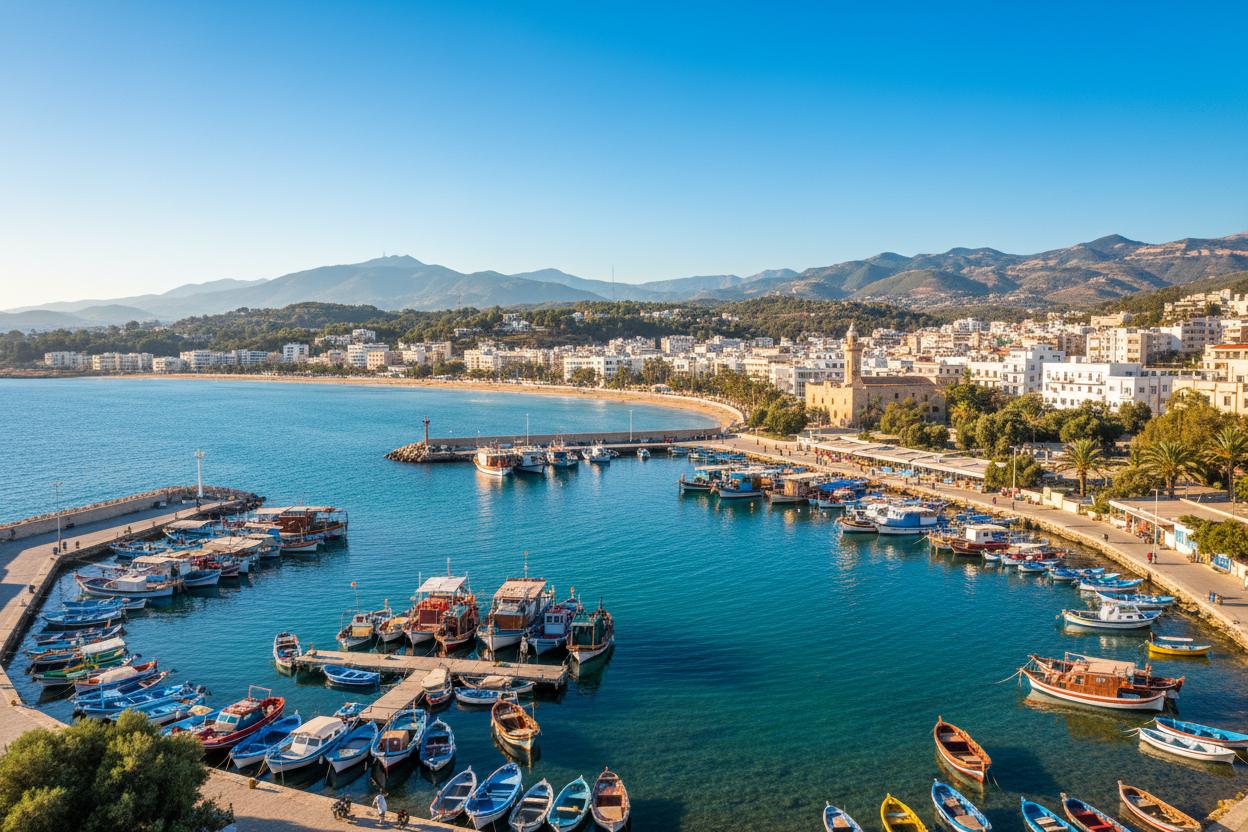
The nearby seaside town of Susa preserves the ruins of Apollonia, the ancient port of Cyrene, where columned ruins meet the Mediterranean shoreline.
Best Time to Visit & Getting There
Bayda's mountain elevation keeps summers mild and comfortable, while winters can be genuinely cold with occasional snowfall, so spring and early autumn are the most balanced seasons to visit. Al-Abraq International Airport serves the wider Green Mountain region, and Bayda makes an excellent base for exploring Cyrene, Apollonia, and the forested landscapes of Jabal al Akhdar.
For travellers craving cooler air and green landscapes in Libya, Bayda delivers, and its proximity to Cyrene makes it one of the most rewarding bases in the entire east of the country.