Misrata
Libya's commercial and maritime capital
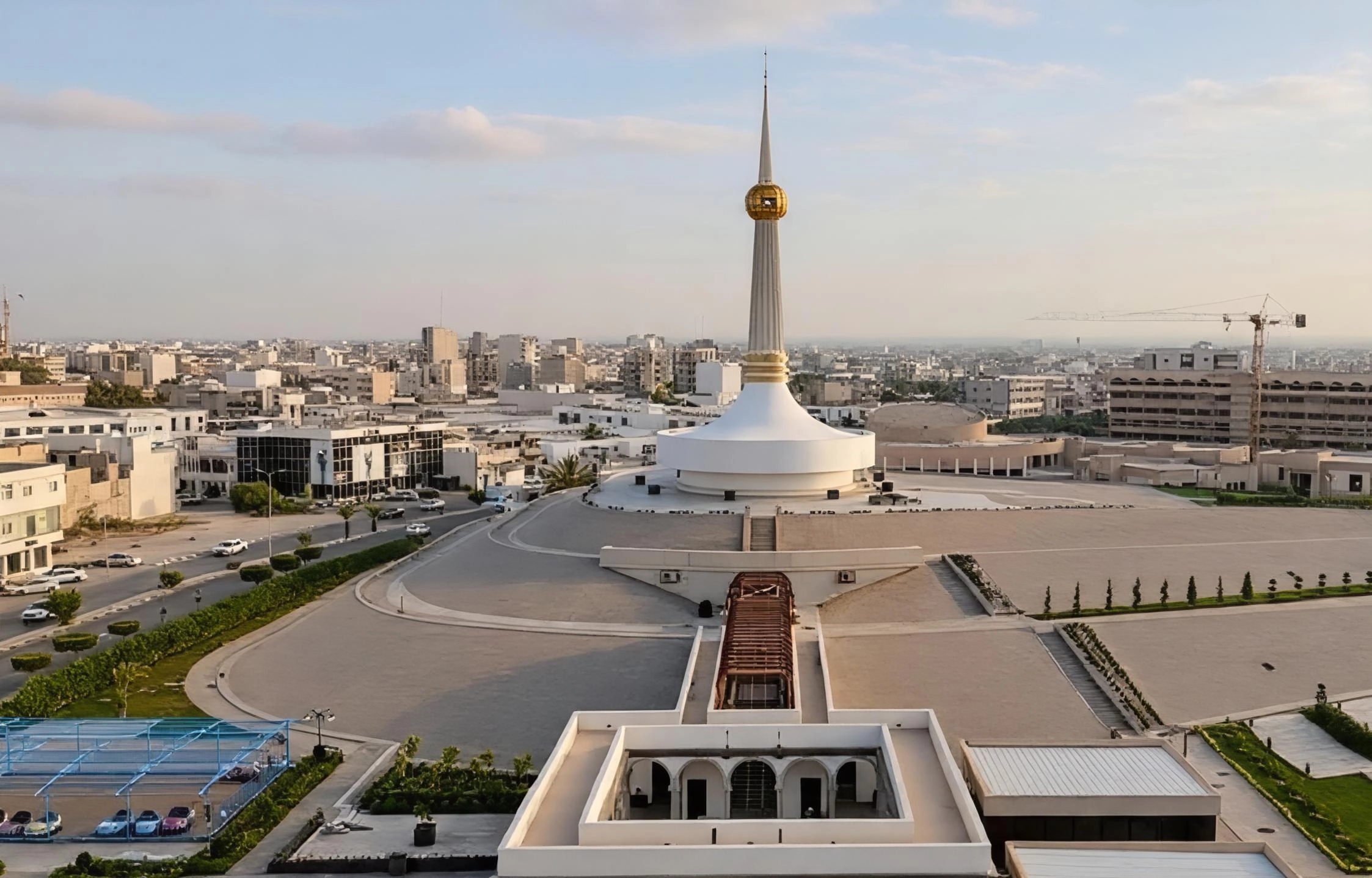
Misrata is Libya's third-largest city and its foremost commercial and industrial hub, sitting on the Mediterranean coast about 210 kilometres east of Tripoli. Built around the country's largest seaport, the city traces its origins to a Phoenician settlement and later flourished as a stop on the trans-Saharan caravan routes and a centre of trade and carpet-making that has continued into the modern era. Wide, palm-lined avenues and a well-planned layout give Misrata a distinctly orderly feel among Libya's larger cities.
Region
Tripolitania
Distance from Tripoli
~210 km east
Known for
Libya's largest port, sand dunes
Best for
Business travel, coastal scenery
History of Misrata
Misrata's earliest roots reach back to Phoenician trading settlements on this section of the Mediterranean coast, and the area later formed part of the Roman province of Africa. Following the 7th-century Arab conquest, the city became an important caravan supply centre, and Misrata's merchants and traders were well known across the Sahara throughout the centuries of Ottoman rule that followed, alongside a long tradition of producing fine hand-woven carpets. Italian colonisation in the early 20th century brought new infrastructure, and Misrata later played a defining role in modern Libyan history during the 2011 revolution, when the city endured a prolonged siege and emerged as a symbol of resistance, a chapter still closely tied to local identity today.
Top Things to Do in Misrata
Qasr Ahmed
Home to Misrata's vital seaport, this district is also known for its striking golden sand dunes that roll right down to the edge of the Mediterranean, a favourite spot for locals to enjoy the sea breeze.
The Old City Centre
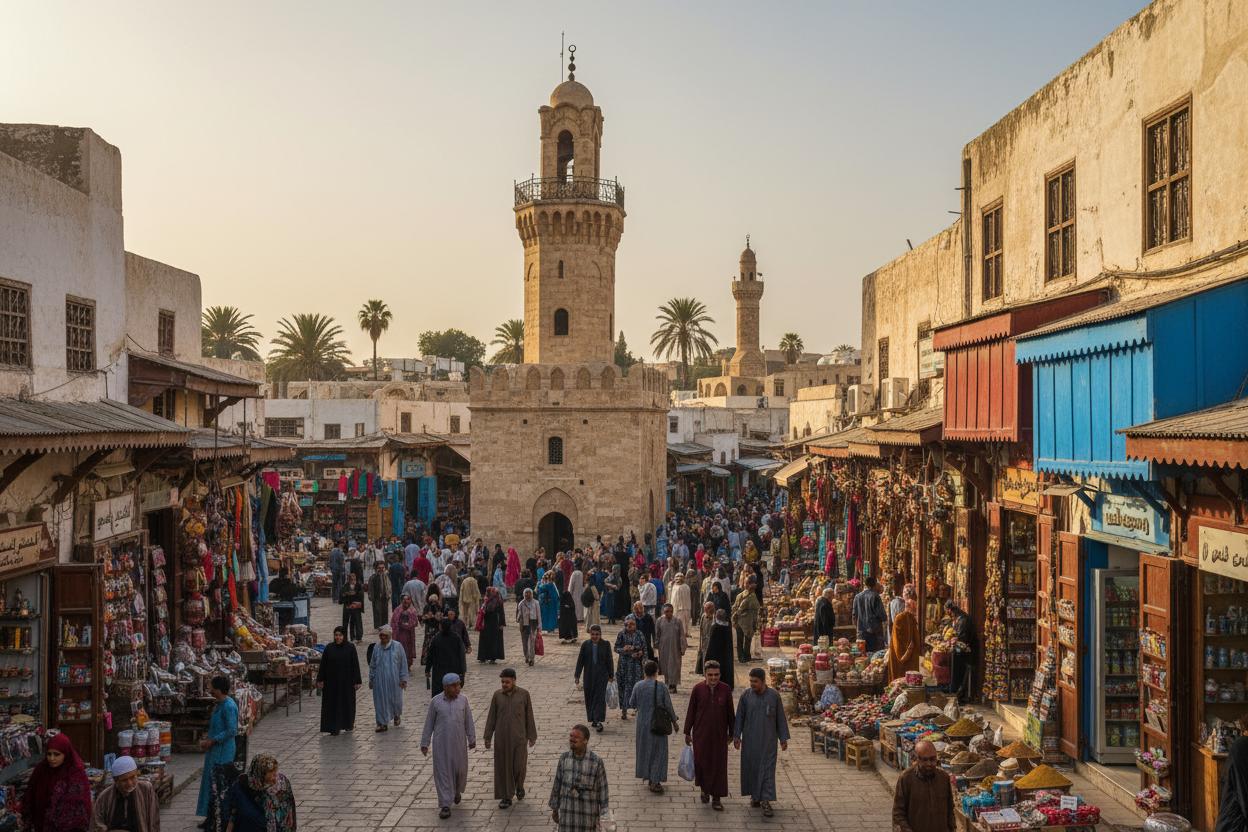
Misrata's historic core mixes Arab, Ottoman, and Italian colonial architecture, with bustling markets and mosques that reflect the city's long trading heritage.
Misrata Central Park
A green, landscaped space in the heart of the city offering a relaxing break from Misrata's busy commercial streets.
Local carpet and craft workshops
Misrata's tradition of luxury carpet-weaving dates back centuries and remains a point of local pride, with workshops still producing traditional designs.
Best Time to Visit & Getting There
Misrata has a hot desert climate, so the cooler months from October to April are the most pleasant for visiting. The city is well connected by road to both Tripoli and the historic sites further east, and its status as Libya's commercial capital means good infrastructure for business and leisure travellers alike. Misrata Airport also offers domestic connections, and the city's modern hotels cater largely to business travel alongside a small but growing leisure market.
Misrata may be better known for commerce than tourism, but its port, dunes, and layered history make it a worthwhile stop for travellers curious about the practical, working side of modern Libya.